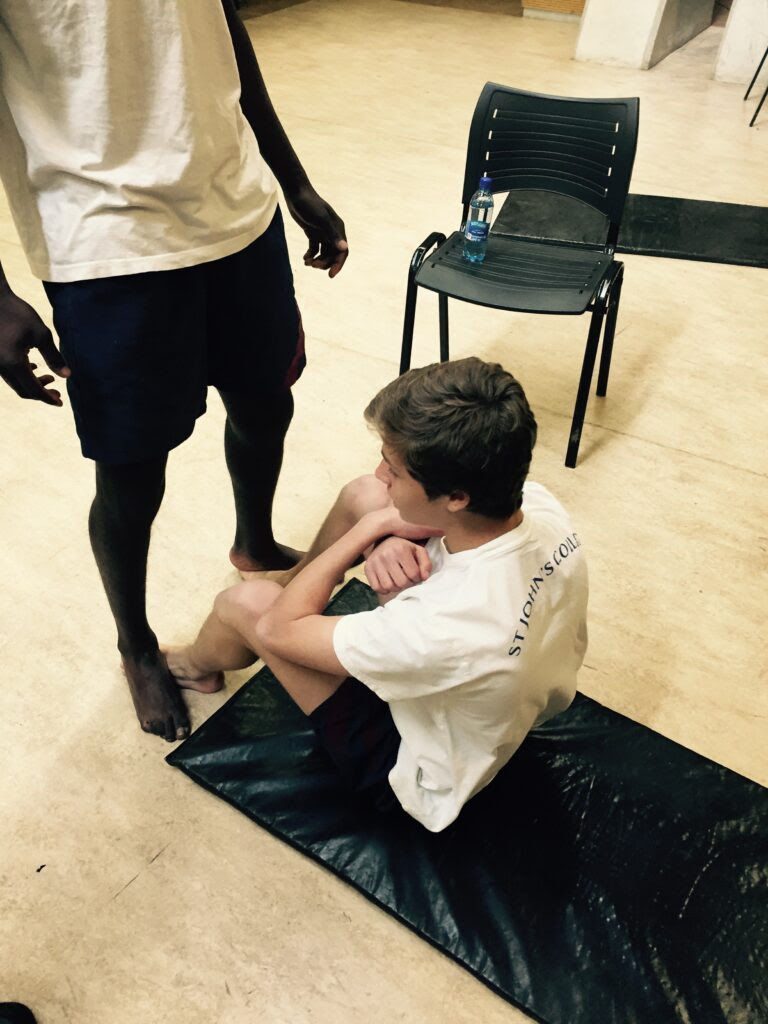
Musculoskeletal Screening
Musculoskeletal screening is a proactive approach used to identify potential diseases or conditions in individuals who may not display any signs or symptoms. This screening strategy, in line with the IOC Consensus of 2011, aims to detect and address pathological conditions early, thereby allowing for prompt intervention and management to potentially reduce future morbidity and mortality.
Within the realm of sports teams and athletic groups, musculoskeletal screening serves several key purposes:
– Identification of existing injuries
– Assessment of risk factors for potential injuries
– Injury prevention through tailored activity plans and educational initiatives
– Optimal management of both injuries and identified risk factors (Van Mechelen, 1997)
The screening process involves the completion of a comprehensive questionnaire by either groups or individuals. This questionnaire captures detailed information about past and current injuries as well as the individual’s sporting background.
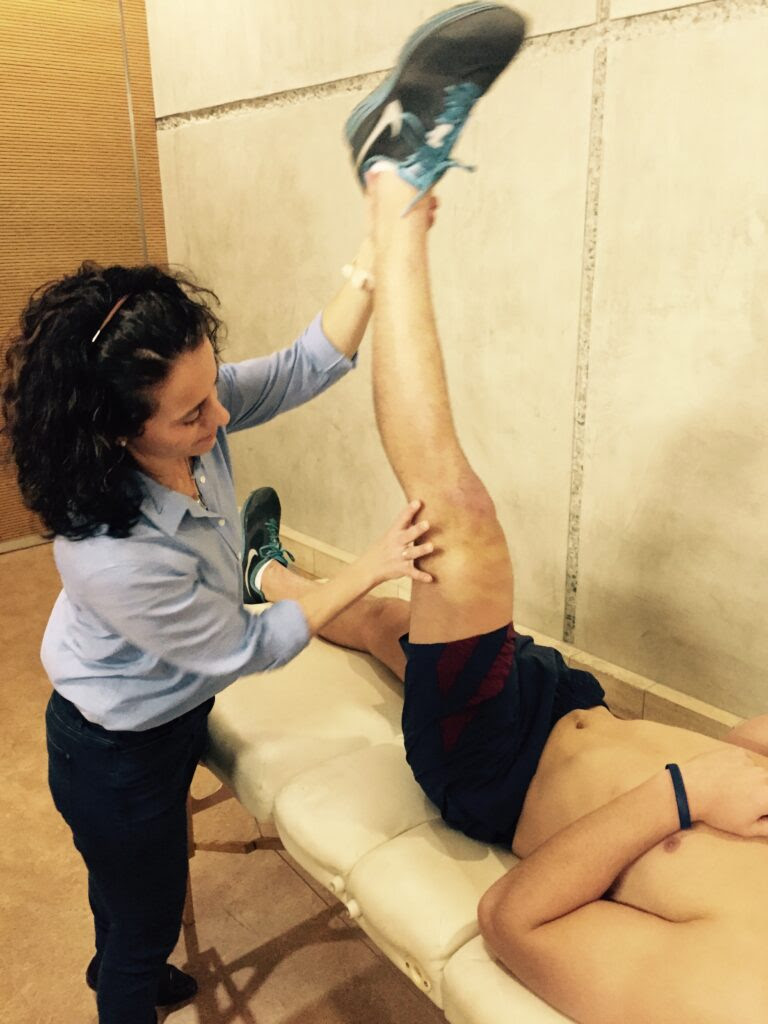
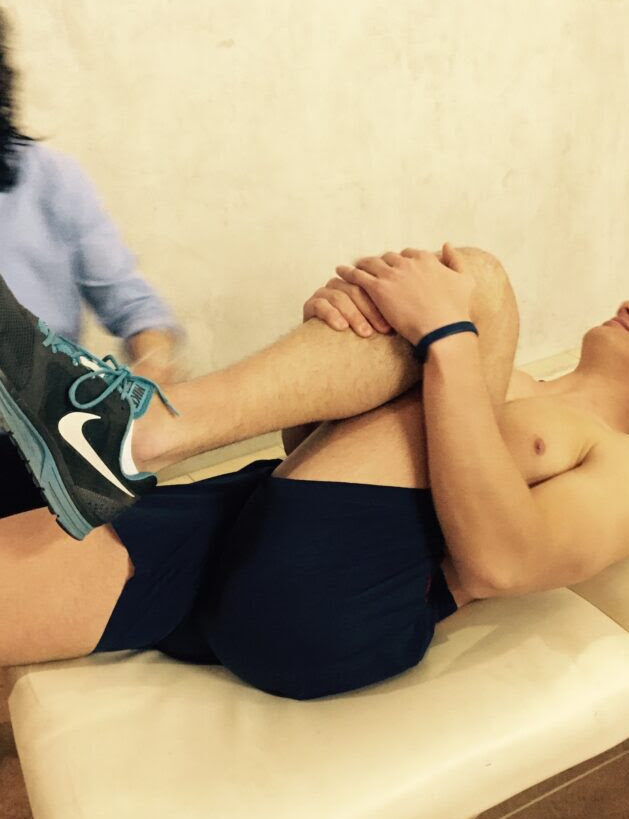
A series of tailored tests are conducted to evaluate an individual’s musculoskeletal function within a specific demographic, considering factors such as age, sporting discipline, and activity level. These tests encompass various assessments including postural evaluation, dynamic movement analysis for form and motor control, muscle length tests, core stability, endurance and strength assessments, plyometric (explosive) capabilities, and cardiovascular fitness.
The selection of tests is customized to cater to different age groups, sporting disciplines, and activity levels being assessed. This comprehensive approach helps establish an individual’s position within the normative range of musculoskeletal function, rather than solely focusing on performance metrics.
Periodic screenings are beneficial, particularly during growth spurts in adolescents, as these phases increase vulnerability to injury, especially when undertaking high-load activities.
The initial screening establishes a baseline against which subsequent assessments are compared. Utilizing these results, a personalized feedback report and program are developed to mitigate injury risks and enhance functional capabilities for athletic performance.
The individualized program aims to optimize function while minimizing injury risks. Recommendations within this program often extend to consulting other specialized professionals, such as podiatrists, dieticians, or orthopaedic specialists, for further guidance and support.